How Does the Atlas Work?
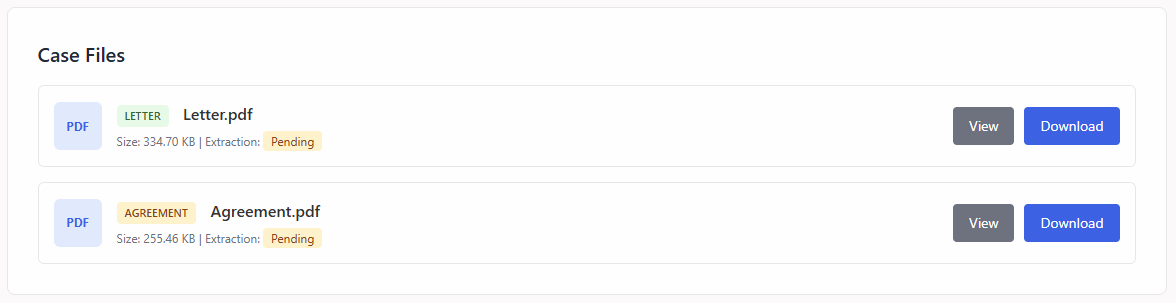
The Atlas of Access contains over 1,000 unique cases from the Office of Civil Rights’ reading room - cases related to the rights of disabled persons within postsecondary education settings.
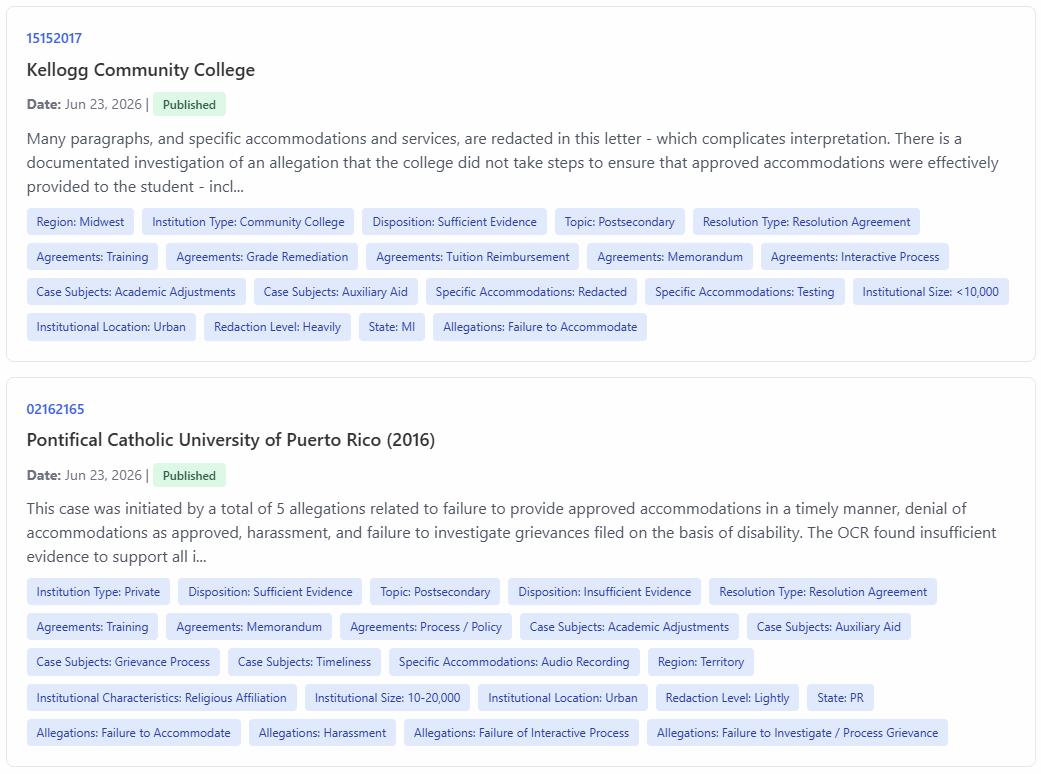
Each case has been summarized, and organized by a few distinct parameters, including:
Date the case decision was issued
State and Region of the postsecondary institution
Size and location of the postsecondary institution
Disposition (outcome) of the case
Agreements made by the institution
Level of redaction done to the case file
And, perhaps most importantly - the cases are organized by their substance - the specific accommodations, processes/policies, or environmental features that they implicate.
Search, Filter, and Read
User Features
Users of the Atlas can search by specific terms as desired - for example, users seeking to understand the accessibility requirements for a new or renovated stadium on their campus could input this term, and narrow their search to cases which include this in their summary.
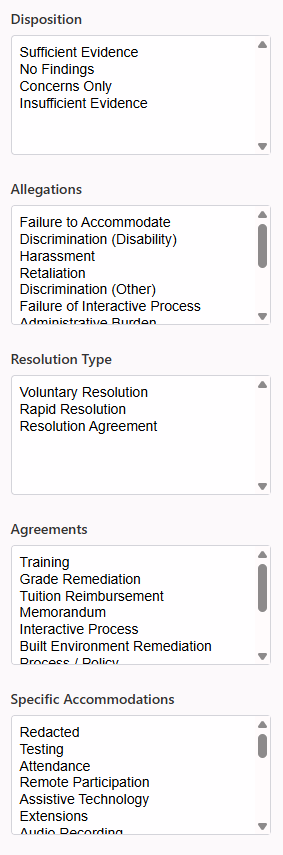
Within that search (or, within all the available files) users can also filter their search, showing only cases which discuss specific subjects, such as:
Fundamental alteration decisions
Admissions process
Digital accessibility
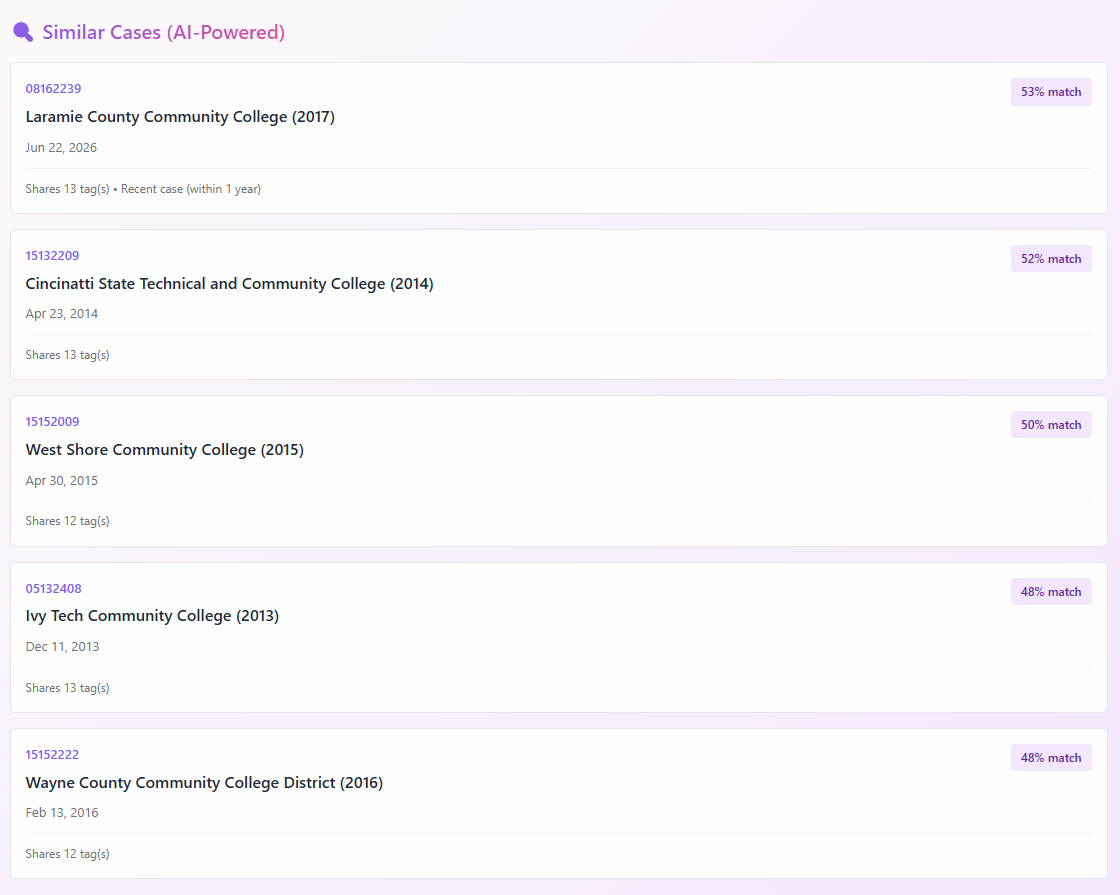
In addition to allowing users to read or download the specific cases they identify, the Atlas will recommend cases with similar tags for further reading.